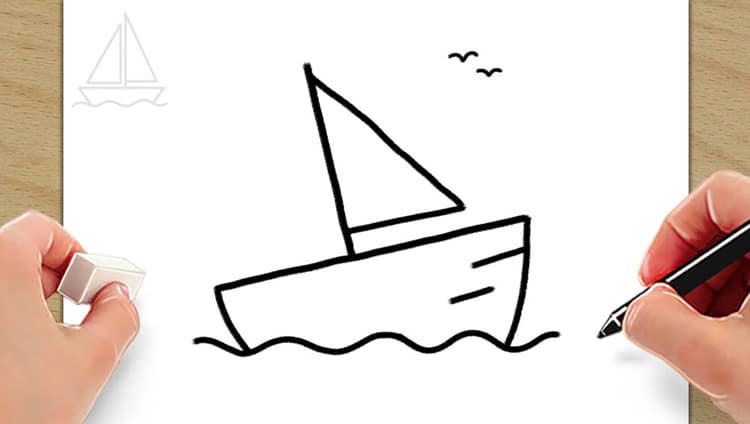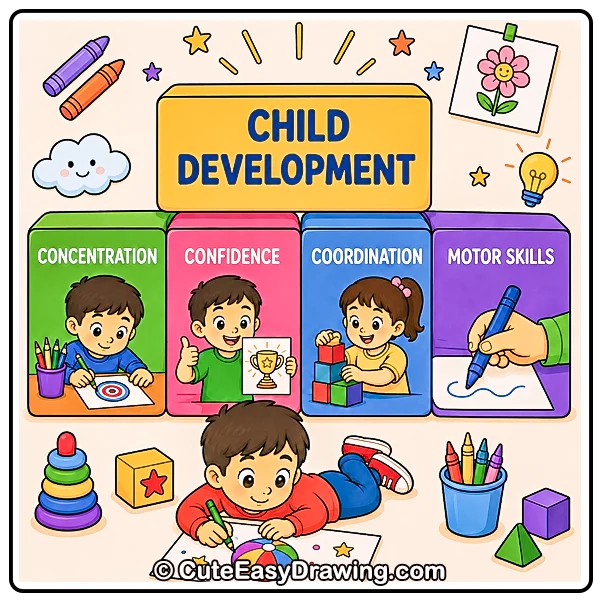
Drawing is more than a creative activity for children—it gives their growing hands and minds valuable practice. As kids hold a pencil, follow shapes, and guide lines across the page, they gradually build better pencil control and hand-eye coordination. In fact, drawing improves fine motor skills by encouraging small, precise hand and finger movements that become stronger with regular practice. These simple drawing activities can also support child development by building concentration, coordination, confidence, and essential motor skills in an enjoyable way.
Small Strokes, Stronger Skills
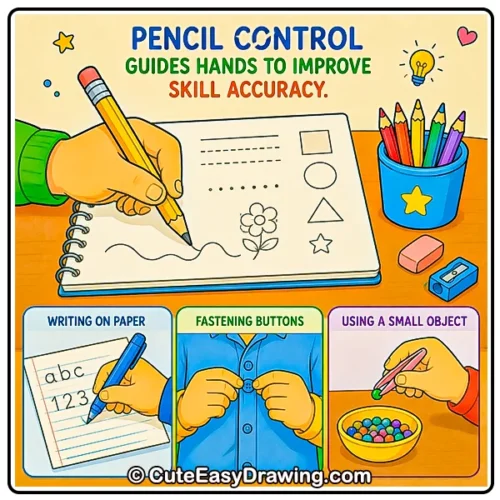
Art gives children a fun way to strengthen small hand and finger movements. Simple activities like coloring, tracing, and sketching gradually improve pencil control as children learn to guide their hands with greater accuracy. With regular practice, they become more comfortable creating shapes, lines, and small details. These creative tasks also prepare their hands for everyday skills like writing, fastening buttons, and using small objects.
Where Eyes and Hands Work Together
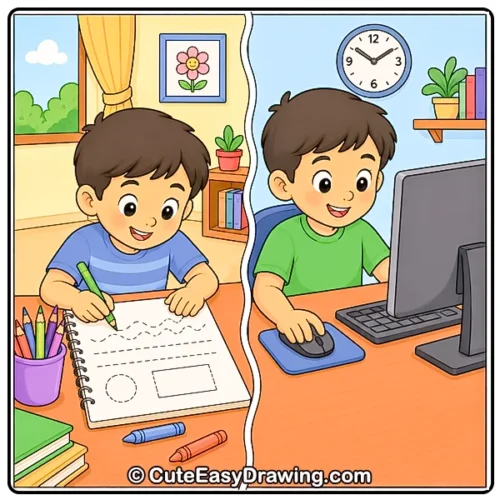
Drawing helps children connect what they see with how their hands move. Following lines, copying shapes, and adding details all strengthen hand eye coordination through regular practice. This growing control can make everyday tasks like writing, catching a ball, and using a computer mouse easier.
Drawing Practices That Build Better Coordination
Drawing from real objects encourages children to observe carefully before putting pencil to paper. They notice shapes, sizes, and small details, then use their hands to recreate them. These simple drawing activities help children connect visual information with controlled hand movements while keeping creativity enjoyable.
Following Lines with Greater Accuracy
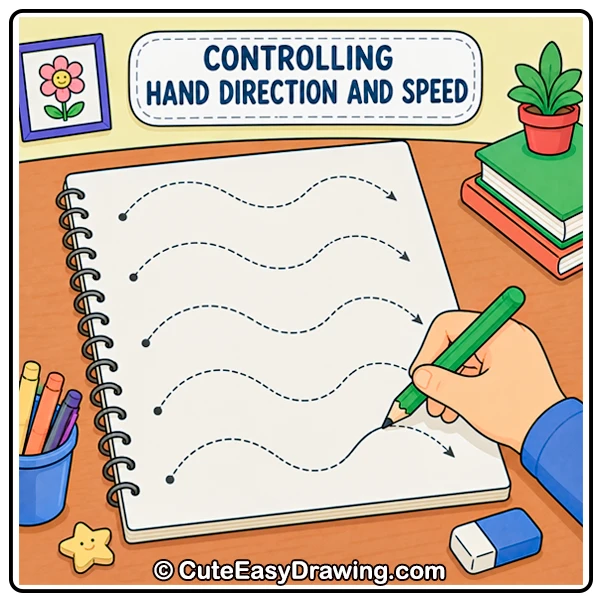
Tracing gives young artists a clear path to follow. As they move along curves, patterns, or simple shapes, they practice controlling the direction and speed of their hand. Over time, this can support smoother movements and prepare children for more detailed drawing and writing.
Creating with Purposeful Movements
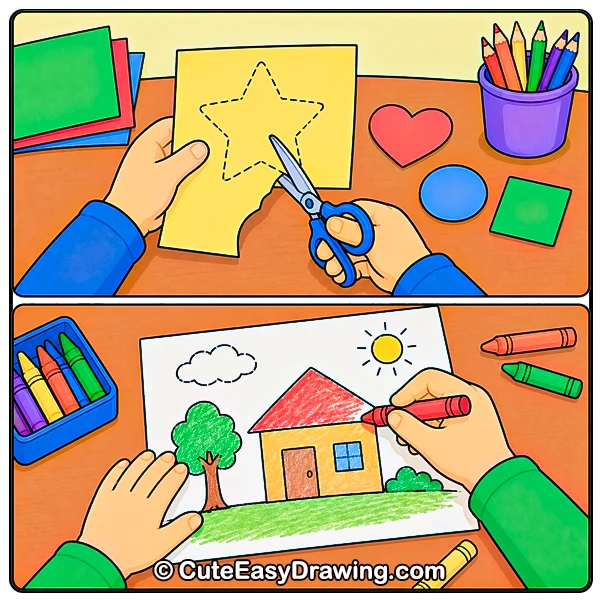
Cutting shapes, placing pieces, and coloring within an area encourage careful and precise movements. Each task challenges children to watch, plan, and guide their hands toward a goal. Regular creative practice can strengthen motor skills while making learning feel playful and rewarding.
How Drawing Improves Fine Motor Skills for Writing
Using crayons, pencils, and brushes gives children regular practice in holding different art tools. As their fingers become stronger and steadier, they gradually learn a comfortable grip that can make writing easier.
Exploring Different Art Tools
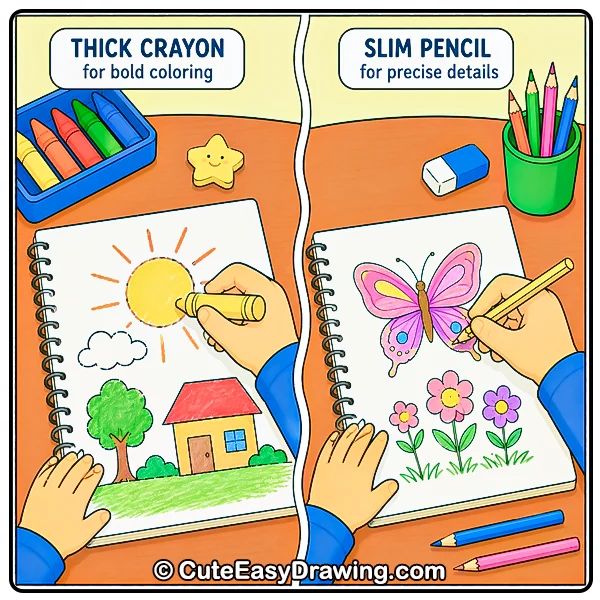
Thick crayons are easier for little hands to hold, while slimmer pencils require more precise finger movements. Moving between different tools supports child development by helping children gain better control at their own pace.
Practicing Control Through Painting
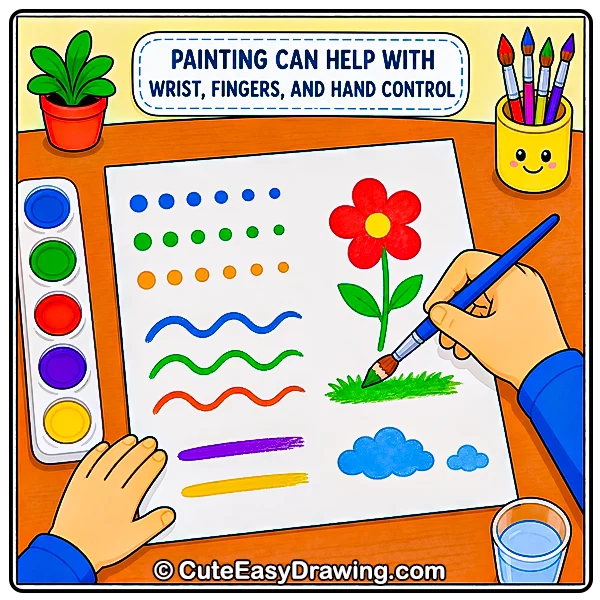
Holding and guiding a paintbrush encourages children to coordinate their fingers, wrist, and hand. Making dots, curves, and careful strokes can build the controlled movements they later use for forming letters and numbers.
Preparing Hands for Longer Tasks
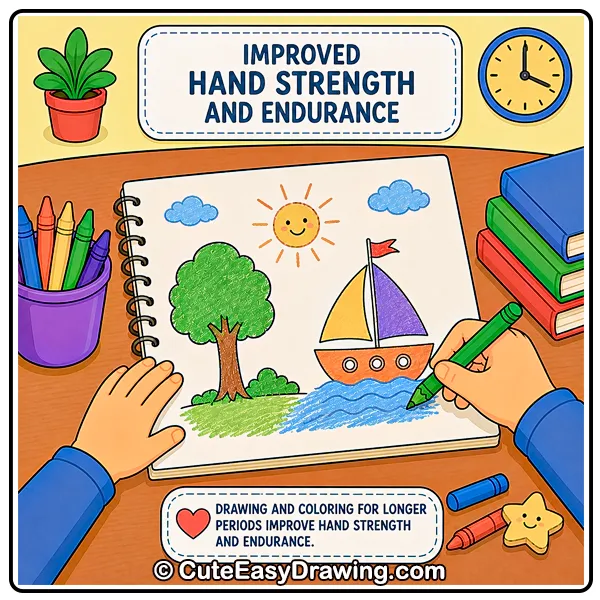
Drawing and coloring keep small hand muscles active for longer periods. Regular creative practice can improve hand strength and endurance, helping children stay comfortable during writing and other detailed classroom activities.
Two Hands, One Creative Goal
Art often gives each hand a different job. One may hold the paper while the other draws, cuts, or paints. These simple actions strengthen motor skills and teach both hands to work together smoothly. This coordination can also help with everyday tasks like writing, tying shoelaces, and handling classroom materials.
- Regular drawing and painting give children plenty of chances to use art tools naturally.
- Over time, they may discover which hand feels steadier and more comfortable for detailed work.
- A consistent preferred hand can make drawing, writing, and other precise tasks easier to manage.
- Some children may switch hands while their coordination is still developing.
- Creative activities allow them to experiment with both hands in a relaxed and enjoyable way.
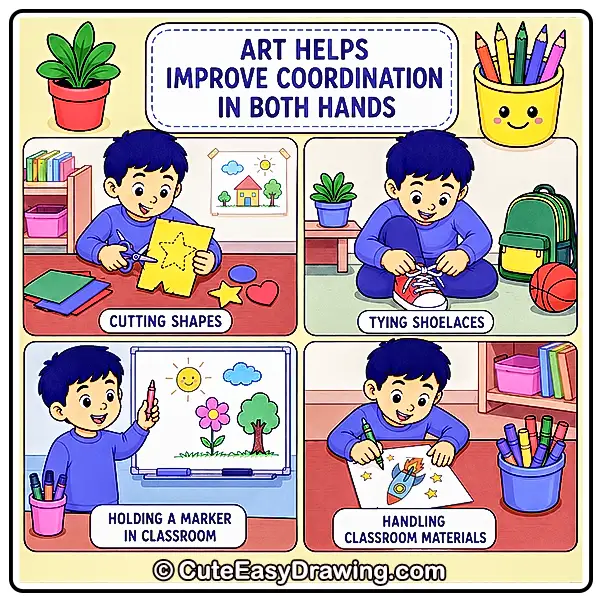
With regular practice, they can gradually become more confident using the hand that feels most natural.
Creative Ways to Strengthen Little Hands
Creative play gives small fingers plenty of opportunities to move, press, and grip. Activities like sketching and shaping materials show how drawing improves fine motor skills while keeping practice enjoyable for children.
Shaping and Squeezing for Stronger Fingers
Clay and dough encourage children to pinch, roll, flatten, and shape with their fingertips. These playful movements strengthen the small muscles needed for holding and guiding art tools comfortably.
Tearing Paper with Care
Tearing paper for collages encourages children to use their fingers with greater precision. Controlling each tear also teaches them how much pressure to apply during delicate tasks.
Handling Smaller Art Tools
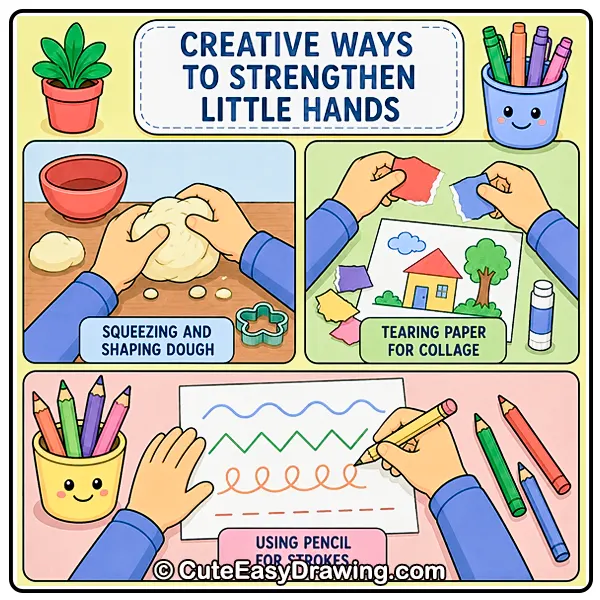
Fine brushes, slim markers, and other small tools encourage careful finger movements. Practicing with them can improve pencil control, making detailed drawing and early writing feel smoother and more manageable.
Big Movements That Shape Better Control
Drawing on a wide sheet encourages children to move their hands across different areas of the page. These movements help them become more comfortable reaching across their body while creating.
- Discovering Space Through Art: Children learn about distance, size, direction, and placement as they arrange objects in a picture. These drawing activities can build spatial awareness that later supports neat spacing in writing and other classroom tasks.
- Creating on a Larger Canvas: Painting at an easel or drawing with chalk encourages bigger arm and shoulder movements. This active practice builds stability and control, creating a helpful foundation for more precise hand movements.
- Moving from Big Strokes to Small Details: Large strokes allow children to use their whole arm before moving on to finer details. Switching between big and small movements helps them develop smoother, more controlled drawing skills over time.
Simple Art Habits for Growing Hands
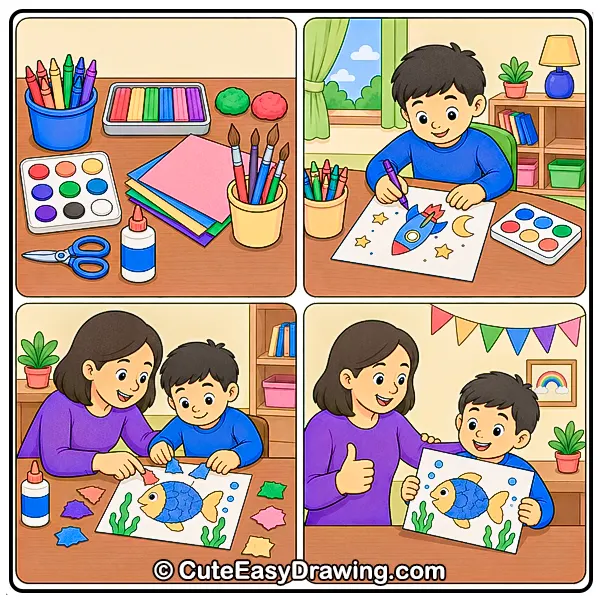
Step 1: Keep child-friendly supplies like crayons, clay, paper, brushes, glue, and safety scissors within easy reach. Having different materials encourages creative practice at home.
Step 2: Set up a comfortable spot where children can draw, paint, and craft without worrying too much about making a mess. A relaxed space makes creativity more inviting.
Step 3: Give children time to complete tricky tasks on their own before offering help. Trying, adjusting, and trying again can support child development while building confidence and independence.
Step 4: Praise effort and progress rather than perfect results. Noticing better control, careful movements, or steady practice can motivate children to keep improving.
Creative Skills That Grow with Children
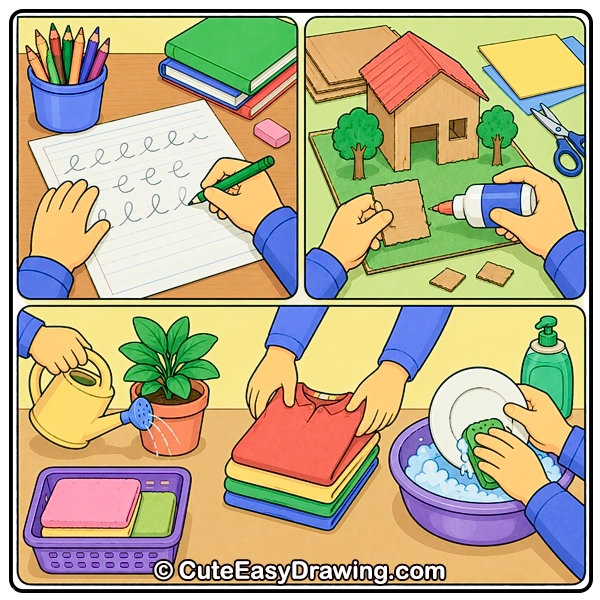
The benefits of art can stay with children far beyond their early years. Strong motor skills can support clearer handwriting, better control during practical schoolwork, and greater independence with everyday tasks. As children grow, these abilities can also make it easier to learn activities that require steady and precise hand movements, giving them a useful foundation for school, daily life, and future interests.
Every Stroke Builds a Stronger Foundation
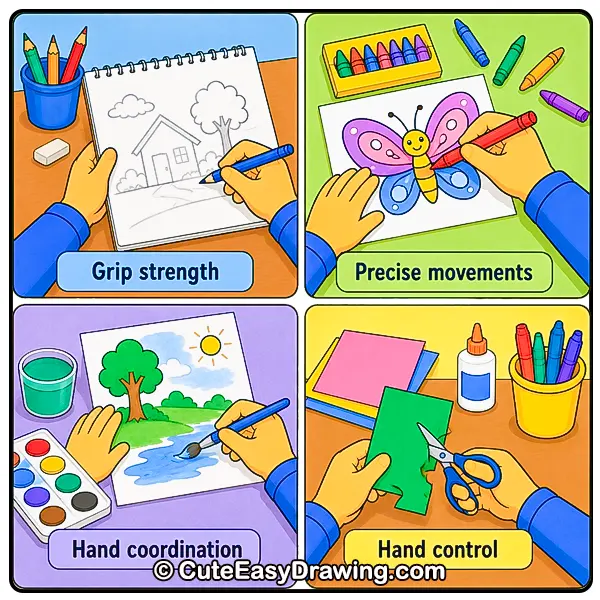
Art gives children much more than a chance to express their imagination. Each time they sketch, color, paint, or explore different creative tools, they practice controlling their fingers, hands, and eyes with greater confidence. Regular artistic practice shows how drawing improves fine motor skills by developing grip strength, precise movements, coordination, and steady hand control in an enjoyable way.
Table of Contents
Cute Easy Drawings – Learn Step-by-step

Free Coloring Pages for Your Inbox!
We’ll never spam you — just fun stuff for you and your little artist. Pinky promise.😊